Medical Cannabis Patient

Edens Garden Cannabis Essential Oil An Honest Look After Watching People Run It
Medical Cannabis Patient

Edens Garden Cannabis Essential Oil: An Honest Look After Watching People Run It

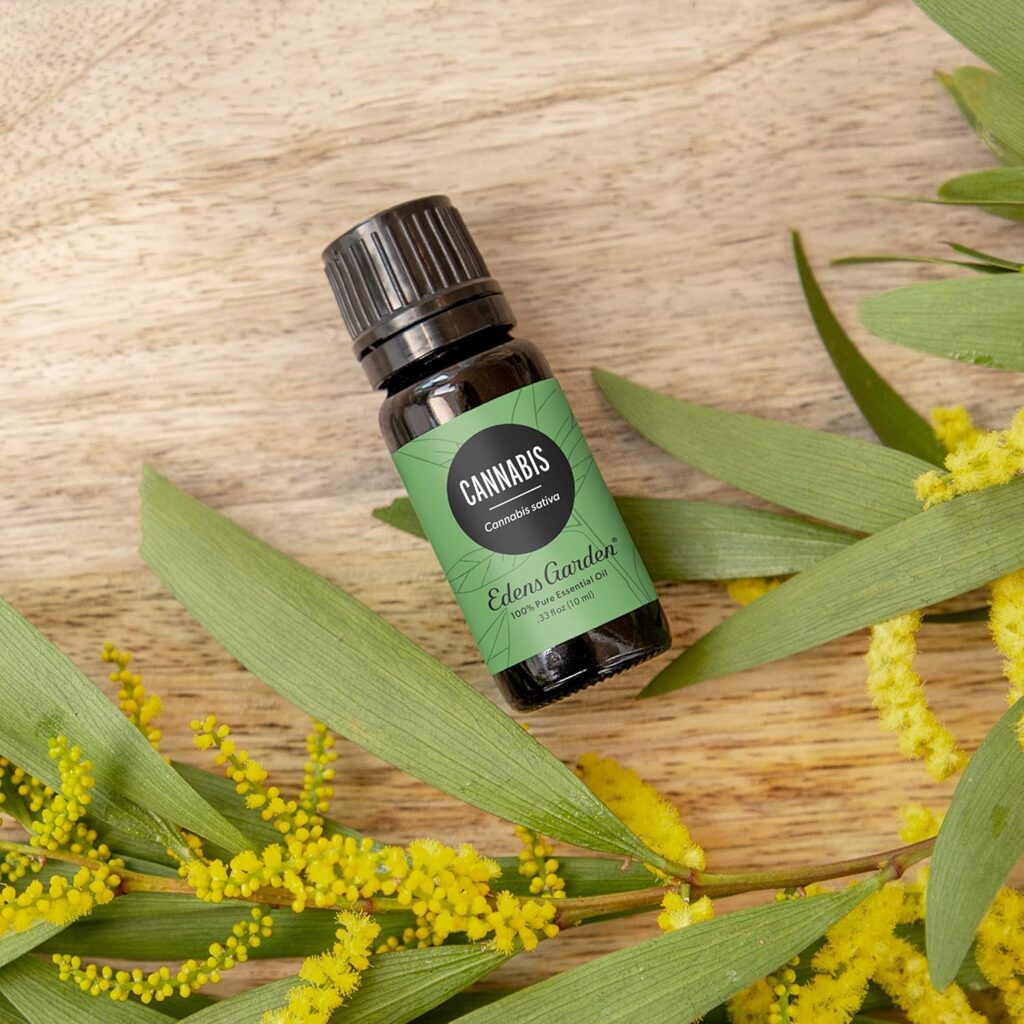
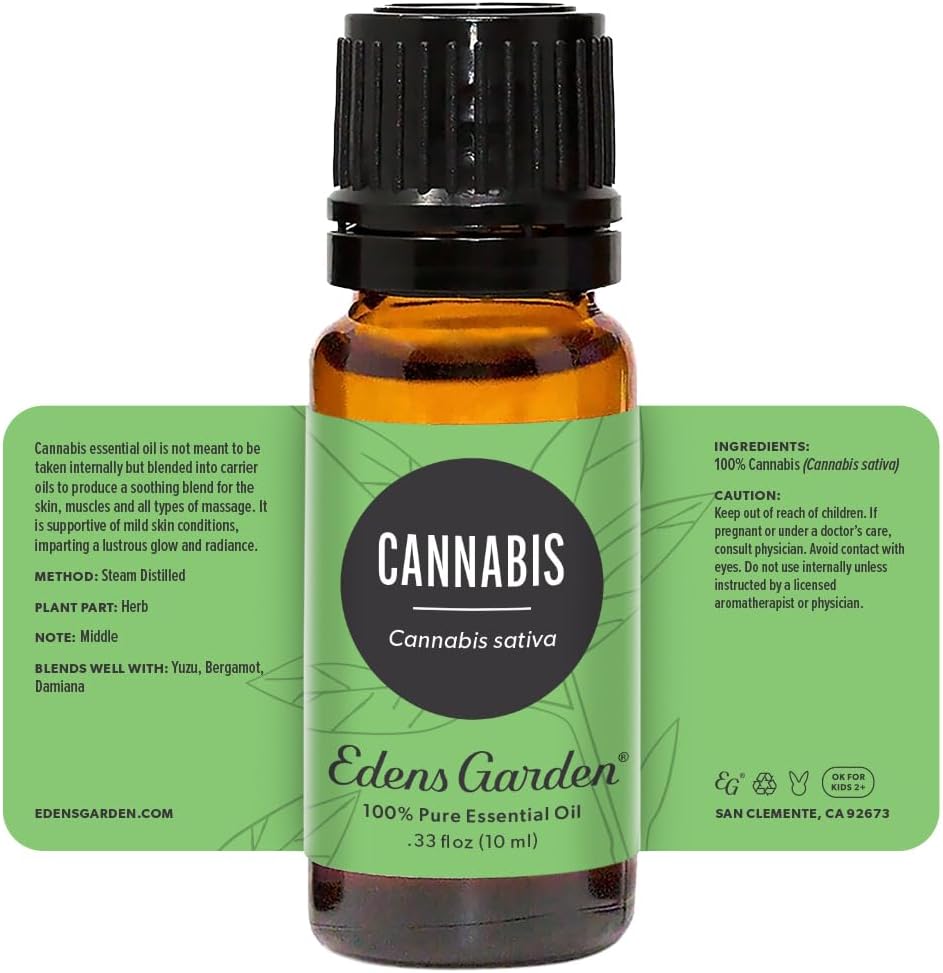
Edens Garden cannabis essential oil is a hemp-derived aromatherapy blend built around the terpene profile of the cannabis plant, sold as a diffuser-grade oil without any cannabinoid content worth talking about. No THC. No CBD in functional doses. What you’re paying for is the aromatic side of the plant, distilled and blended to behave well in a cold-mist diffuser without leaving residue or smelling synthetic.

If you’ve been circling this product trying to figure out whether it’s worth the money, the short version is yes, with caveats. The Edens Garden cannabis blend is the one I keep watching hold up across the most homes when people want a real plant-derived cannabis scent without the legal mess or smoke residue of actual flower.

It’s not a wellness product. It’s not going to fix your sleep or calm your anxiety any more than any other pleasant aromatic scent in a room would. What it does is fill a space with the smell of cannabis in a way that reads as the actual plant rather than the chemical-candle version. That’s the entire pitch.

Bottom line

The Edens Garden cannabis essential oil is a clean, terpene-driven aromatherapy blend that smells like the plant and runs cleanly through cold-mist diffusers. It’s not a cannabinoid product, it’s not a wellness miracle, and the bottle is small for the price. But across the options in this category, it’s the one I keep ending up recommending.

Why most of the cannabis-labeled oils on the shelf are noise

I’ve watched plenty of people order three or four different “cannabis essential oils” from various marketplaces before landing on this one, and the pattern repeats itself almost every time.

First problem: most products labeled cannabis essential oil aren’t essential oils at all. They’re fragrance oils. Synthetic compounds engineered to mimic the smell of cannabis, often built on a base of phthalates and other carrier solvents. They smell like a head shop candle. They coat the inside of your diffuser with a film. They cost six to ten dollars for a reason. The FDA’s framing of aromatherapy versus fragrance products draws a clear line between the two categories, but the line gets blurred constantly in cannabis-labeled marketing.

Second problem: the brands that do sell real essential oil in this space have wildly inconsistent quality. Small-batch hemp distillers can produce incredible oil one quarter and something that smells off the next. The terpene profile depends on the source flower, the distillation technique, and how the oil is stored after production. Without a brand that runs proper batch testing, you’re rolling dice every time you reorder.

Third problem: most cannabis-labeled oils on the market are marketed with wellness claims that don’t hold up. Sleep cures, anxiety relief, pain reduction. The FTC has been actively pursuing cannabis brands making those exact claims because there’s no clinical basis for aromatic terpenes delivering meaningful therapeutic effects through a diffuser. When a brand is willing to play that fast and loose with their copy, you should assume they’re playing fast and loose with their sourcing too.

Fourth problem: cannabis essential oil is in a regulatory gray zone in some places. Hemp-derived aromatic products are federally legal under the framework set by the USDA’s hemp program, but the state-by-state rules vary, and buying from brands without clear hemp sourcing documentation can put you in a position where you’re not sure what you actually received.

This is the context where Edens Garden actually earns the shelf space. They’re not a cannabis-first brand chasing a trend. They’re an established aromatherapy company that added a cannabis blend to a much larger lineup of essential oils. The institutional discipline shows up in their batch testing, their labeling, and their refusal to make wellness claims they can’t back. That’s rare in this category, and it’s most of why I keep landing here.

How the Edens Garden blend stacks up against the alternatives

Ranking the realistic options when you’re shopping for a cannabis-scented diffuser oil. I’m putting Edens Garden at the top, but I’ll explain why each of the others lands where it does.

1. Edens Garden Cannabis aromatherapy blend

The pick. Hemp-derived, blended with complementary terpene-rich oils to round out the scent profile, batch tested with published GC/MS results. The viscosity works in cold-mist diffusers without clogging the unit, and the scent reads as plant rather than chemical. Where it falls short: the 10ml bottle is small for the price point, and heavy diffuser users will burn through it faster than expected. Also, since it’s a blend rather than a pure cannabis distillate, purists who want a single-source terpene profile won’t find that here.

2. Small-batch artisan hemp terpene distillates

The next tier. Independent distillers producing single-source hemp essential oil, usually sold direct or through specialty aromatherapy shops. Quality is excellent when you find a good producer, but consistency batch to batch is the constant problem. The spring batch might be incredible. The winter batch might smell flat. Also expensive, often two to three times the cost of Edens Garden for the same volume.

3. DIY home distillation

For people who already own a still or are willing to invest in one. Workable if you have access to bulk hemp flower or trim and want the hands-on experience. The yield is brutal (three to eight milliliters per pound of flower) and the first few batches almost always disappoint. Cost-per-milliliter ends up higher than commercial unless you’re producing serious volume.

4. Pre-diluted roller bottle blends

Cannabis essential oil pre-mixed with jojoba or fractionated coconut oil for topical use. Fine for skin application but a problem for diffusers because the carrier oil clogs cold-mist units. People buy these by mistake all the time because the labeling doesn’t make the distinction obvious.

5. Cannabis-scented fragrance oils

Synthetic. Cheap. Smells like a candle store. Some people genuinely don’t mind the candle-shop version of the scent, and these are fine for that use case. But if you’ve been around real cannabis, you’ll clock the difference instantly. Skip if you want plant-true.

6. Mystery marketplace bottles

Unbranded or generically branded “cannabis essential oil” listings on big marketplaces for under fifteen dollars. Half the time you get fragrance oil with a fancy label. The other half you get something with no clear sourcing documentation at all. The dropshipping problem is real here. Not worth the gamble even when the price looks tempting.

Option Typical scent quality Diffuser compatibility Where it falls short
Edens Garden Cannabis blend Earthy, plant-true Works in most cold-mist units Small bottle for the price
Artisan hemp distillates Variable, sometimes excellent Usually fine Batch inconsistency, premium pricing
DIY home distillation Depends on technique Depends on output Steep learning curve, low yield
Pre-diluted roller blends Decent for topical use Clogs diffuser units Wrong format for diffuser use
Fragrance oils Synthetic, candle-like Works but coats unit Doesn’t smell like the plant
Marketplace mystery bottles Unpredictable Unpredictable Sourcing unclear, often mislabeled

What this blend actually is, and how it behaves

Worth getting into the specifics of what’s in the bottle and how it performs, because the marketing copy on this product doesn’t tell you much.

The blend is hemp-derived essential oil combined with a curated mix of complementary terpene-rich oils that fill out the cannabis scent profile. That’s important to understand. Pure hemp essential oil on its own often comes out grassy and one-dimensional because steam distillation pulls the lighter terpenes hard and leaves the heavier aromatic compounds behind. By blending in oils that contribute caryophyllene, myrcene, and pinene notes from other plant sources (think black pepper, hops, pine), Edens Garden builds a scent that reads more like fresh cannabis flower than what straight hemp distillate would give you.

Some purists hate this approach. They want a single-source product. That’s a valid preference, but it usually means accepting a flatter, less rounded scent profile. The blended approach produces something closer to what people actually expect when they hear “cannabis essential oil,” which is the smell of the plant in its full aromatic complexity, not just the steam-distillable fraction of it.

In a diffuser, you’re looking at five to eight drops in a standard ultrasonic cold-mist unit for a medium-sized room. The diffusion is even, the scent fills the space gradually rather than hitting all at once, and it tapers naturally over the course of an hour or two. The oil doesn’t separate or settle in the diffuser the way thicker blends do.

Scent profile reads earthy and slightly sweet on the top, peppery and green through the middle, with a faint woodsy backbone. The peppery note is the caryophyllene doing its work. People familiar with cannabis recognize the profile immediately. People who aren’t usually describe it as herbal or woodsy without identifying it specifically, which is honestly useful if you don’t want everyone walking into your house knowing exactly what you’re diffusing.

Who it’s actually for: people who already use aromatherapy oils and want to add a cannabis-style scent to their rotation. People in households where actual cannabis isn’t an option but the scent is appealing. People who like the smell of the plant and want to bring it into their space without smoke or vapor.

Who it isn’t for: anyone shopping for cannabinoid effects. This is not a CBD product. It’s not going to reduce anxiety or help with sleep in any way that’s clinically distinguishable from any other pleasant scent. Anyone sensitive to strong herbal scents. Households where someone genuinely dislikes the smell of cannabis, because this is recognizable enough that it’ll be a problem.

One real drawback to call out specifically: the bottle is small. Ten milliliters is standard for essential oils, but at this price point you’re paying a premium per drop. Heavy diffuser users will go through a bottle in six to eight weeks. Casual users can stretch it across six months or more. If you’re planning to run it daily in multiple rooms, factor in the resupply cost before committing.

Direct link if you want to take a look: the Edens Garden cannabis aromatherapy blend.

Picking the right cannabis aromatherapy oil for your setup

How to choose a cannabis essential oil Edens Garden alternative or buy the original

Before you commit to this specific blend, a few things worth verifying about your own situation.

Diffuser type matters more than most people think. Cold-mist ultrasonic units are the standard, and the Edens Garden blend behaves well in them. Heat-based diffusers are not the move for any cannabis-scented oil because heat alters the terpene profile and usually for the worse. Nebulizing diffusers are pickier and might work or might not depending on the unit’s tolerance for blended oils. If you have a nebulizer, check whether it accepts blends versus pure single-source oils before ordering.

Room size matters too. A 10ml bottle of cannabis essential oil isn’t going to fill a 600 square foot open-plan living room consistently. It’s calibrated for bedroom-sized spaces, home offices, smaller rooms with reasonable air circulation. Trying to scent a great room with it will burn through the bottle fast and still leave you underwhelmed by the result.

Your scent sensitivity matters. Cannabis essential oil is recognizable. If you have neighbors close by, roommates, or family members who might not appreciate the scent, factor that in. The smell doesn’t carry through walls the way smoke does, but it does fill the room it’s diffused in completely, and the scent profile is distinct enough that visitors will pick up on it.

Budget reality. If you’re going to run this daily, build the resupply cost into your math before you start. At standard pricing, daily users are looking at restocking every couple of months. Occasional users can stretch a bottle much longer.

What to look for in a cannabis essential oil option

If you’re comparing Edens Garden against other options, here’s the checklist:

  • Published third-party test results (GC/MS or HPLC). Edens Garden has these. Most marketplace alternatives don’t.
  • Clear source disclosure on the label. The brand should tell you exactly what plant material the oil came from, hemp-derived or otherwise.
  • No medical or therapeutic claims in the marketing copy. Brands willing to make those claims are usually playing fast and loose with sourcing too.
  • Reasonable scent expectations in honest reviews. Read the three-star reviews more carefully than the five-star ones. People who liked but didn’t love a product will give you the most accurate read on what it actually smells like.
  • Return policy. Scent is personal, and even the right brand can produce an oil that doesn’t work for your specific nose. A clear return path matters.

On every one of these checks, the Edens Garden blend passes without the marketing gymnastics most cannabis-labeled products lean on.

A quick video to watch before you order

If you’ve never used essential oils in a diffuser before, or you’ve only used basics like lavender or eucalyptus, watching someone walk through the setup and diffusion process helps a lot more than reading about it. The video below covers the basics of how aromatherapy oils interact with different diffuser types and what to expect when you’re starting out.

https://www.youtube.com/watch?v=4dZ4qLm9CCg

The part worth paying attention to is the equipment section. A lot of people who end up disappointed with a cannabis essential oil purchase are actually disappointed with their diffuser, not the oil. A cheap plug-in unit will make even a great oil smell mediocre. A solid ultrasonic in a properly sized room will make a mid-tier oil smell incredible. The equipment shapes the experience more than the oil does in most cases.

The drawbacks worth being honest about

I’ve been positive on this product through most of this piece, but let me be specific about the things I’d want to know before ordering, that the brand isn’t going to tell you.

The 10ml bottle is small. That’s standard for essential oils, but it feels small the first time you receive it relative to what you paid. Manage your expectations on volume.

The scent is recognizable. That’s the point, but it’s worth saying directly. If you live somewhere where the smell of cannabis might cause problems with landlords, neighbors, or visiting family, this isn’t going to be subtle. The blend produces a clear cannabis aromatic that anyone familiar with the plant will identify.

It’s not magic. The marketing copy on a lot of cannabis-labeled essential oils implies therapeutic benefit. Edens Garden mostly stays away from that, which is to their credit, but I’ve seen people order it expecting it to function as a relaxation aid or sleep solution. That’s not what aromatic oils do. Any benefit you feel is the same kind of benefit you’d get from any pleasant scent in your space. Don’t buy this hoping it’ll replace a CBD product or a tincture, because it won’t.

Shelf life is finite. Properly stored, an essential oil holds its scent for a year or two before the lighter terpenes start to oxidize and the profile shifts. If you’re a slow user who might take six months to finish a bottle, that’s fine. If you bought three bottles to save on shipping and one of them is going to sit on a shelf for eighteen months, you might find the third bottle smells different from the first by the time you open it.

Patchy stocking on third-party listings. Edens Garden’s main distribution is through their own site, but they’re also available through marketplaces. Third-party listings sometimes go out of stock or ship slowly. If you need it reliably, factor that in.

FAQ

Does the Edens Garden cannabis oil contain THC or CBD?

No. It’s a hemp-derived aromatherapy blend focused on the terpene profile of cannabis, not the cannabinoid content. There’s no functional THC or CBD in the bottle. It’s an aromatic product, not a cannabinoid product, and it doesn’t produce any psychoactive or therapeutic effects associated with those compounds.

Is the Edens Garden cannabis blend legal everywhere?

The product is hemp-derived and complies with the federal framework set by the 2018 Farm Bill, which legalized hemp-derived products containing less than 0.3 percent THC. State laws can add restrictions on top of federal rules, so a small number of states have stricter local requirements. For most buyers in the United States, it’s fine, but checking your state’s specific rules through a neutral government source is worth doing if you have any concern.

What’s actually in the bottle besides hemp oil?

Edens Garden blends hemp-derived essential oil with complementary terpene-rich oils from other plant sources (often things like black pepper, hops, pine) to round out the cannabis scent profile. The brand publishes GC/MS test results that detail the composition. The specific blend formula varies and is proprietary to Edens Garden, but the philosophy is building a fuller plant-like profile than pure hemp distillate would produce on its own.

How does it compare to actually burning cannabis?

The scent profile is similar enough to be recognizable but cleaner. Combusted cannabis produces smoke compounds along with the aromatic terpenes, which is why burnt flower smells different from fresh flower. The Edens Garden blend reads more like fresh plant than combusted plant. Less smoky, more herbal and earthy. People often describe it as a softer version of the cannabis scent rather than a direct match.

How long does a bottle last?

Depends on usage. A 10ml bottle gives you around 200 to 250 drops, which translates to roughly 40 to 60 diffuser sessions at standard dosing. Heavy daily users will go through a bottle in six to eight weeks. Casual users can stretch it across six months or more. Multi-room users should plan accordingly.

Can I use it topically or just in a diffuser?

This blend is formulated for diffuser use. Some Edens Garden oils have topical-use formulations, but essential oils in their concentrated form should not be applied directly to skin without proper dilution in a carrier oil. Check the specific product page for guidance, and if you want a roller bottle blend for topical use, look for one labeled as pre-diluted rather than using the diffuser-grade oil neat on skin.

Will the cannabis smell leave my house after I turn off the diffuser?

Yes, within an hour or two after the diffuser stops running. Essential oil diffusion doesn’t leave the persistent residue that combusted cannabis does. There’s no smoke to embed in fabrics or carpet, no staying power in your hair or clothes. The scent dissipates as the aromatic compounds clear the air, which happens quickly with normal ventilation.

How to Make Cannabis Essential Oil at Home Without Wasting Your Flower
Medical Cannabis Patient

How to Make Cannabis Essential Oil at Home Without Wasting Your Flower

How to make cannabis essential oil at home comes down to steam distillation of dried hemp or cannabis plant material, where the volatile terpenes get pulled out of the flower and leaves and condensed into a concentrated aromatic oil. It is not the same as making an infused oil, a tincture, or a concentrate. Those are cannabinoid products. Essential oil is the aromatic side of the plant. Terpenes, not THC, not CBD.

The honest version most people don’t want to hear: doing it well at home takes a real steam distillation setup, a lot of plant material, and time. You’ll get a tiny yield, and the scent often comes out flatter than a properly distilled commercial blend. For most people the math doesn’t work, and the cheaper move is grabbing a clean pre-made oil like the Edens Garden Cannabis aromatherapy blend for a fraction of what the DIY route costs once you add up the equipment and flower.

If you still want to make it yourself, the basics are this: dry the plant material, load it into a steam distillation rig, run steam through the chamber, condense the vapor back into liquid, separate the oil from the hydrosol. That’s the process. Everything else is detail.

Here’s the gist

Making cannabis essential oil at home is a steam distillation job, not a kitchen project. The yield is small, the equipment is real, and the smell rarely beats a clean commercial blend. If you want the scent without the setup cost, the Edens Garden Cannabis aromatherapy oil is what most people I know land on after their first DIY batch.

Why the kitchen recipes floating around online don’t actually make essential oil

This is the part I want to get out of the way early because it confuses everyone.

Search this topic and you’ll find a hundred blogs telling you to simmer cannabis in coconut oil or olive oil for a few hours and call the result “cannabis essential oil.” That’s an infused oil. It’s a cannabinoid carrier product. It’s what people cook with, what people put in capsules, what people use in topicals. It is not an essential oil. The chemistry is completely different.

An actual essential oil is what you get when you separate the volatile aromatic compounds from the plant through distillation. The result is a concentrated terpene liquid, not a fat-soluble cannabinoid extract. You can read straight overviews of how essential oil distillation works through neutral chemistry resources like the National Library of Medicine if you want the scientific framing. The point is that simmering flower in oil at 200°F for four hours doesn’t produce an essential oil. It produces an infused oil, and confusing the two has caused a lot of wasted product and a lot of disappointed home cooks.

The second failure mode is people trying to use a kitchen pressure cooker as a makeshift still. It can technically work as a steam source, but you need a condenser, a collection vessel, a separator, and enough plant material to make the yield worth the effort. Without that full setup you’ll generate steam, watch it escape, and end up with nothing in a jar. The FDA’s framing of aromatherapy products makes the distinction clear too. Aromatic essential oils are a specific category, and they’re not made by simmering plant material in fat.

The third issue is sourcing. To make cannabis essential oil with any real yield, you need a lot of plant material. A pound of dried flower might give you a few milliliters of essential oil. A few milliliters. That’s it. So unless you have access to bulk hemp or trim at a price that makes sense, you’re spending fifty to a hundred dollars in flower to produce what you could buy in a finished bottle for under twenty.

And finally, the legality piece varies by state. Producing cannabis-derived products at home, even non-psychoactive aromatic ones, lives in a fuzzy regulatory zone depending on where you are. Hemp is federally legal under the framework set by the USDA hemp program, but state laws stack on top of that and some are stricter than others. Worth knowing before you order plant material in bulk.

So when I tell people the cheapest, easiest, most consistent way to end up with cannabis essential oil in their hands is to buy it, I’m not being lazy. I’m being honest about how the math works.

The actual methods, ranked by how well they work

If you’re going to do this anyway, here’s how the realistic options stack up. Ranked by what I’ve watched produce actual usable oil versus what produces a science fair project.

1. Buying a clean pre-made blend

I know, I know. You came here to make it. But this has to be on the list because for ninety percent of people it’s the right move. The Edens Garden cannabis aromatherapy blend is hemp-derived, third-party tested, and behaves well in cold-mist diffusers. The total cost is less than what you’d spend on a single round of bulk flower for a DIY batch. Where it falls short: you’re not getting the hands-on experience, and you’re locked into the brand’s scent profile rather than tuning your own.

2. Steam distillation with a proper home still

This is the real method. A copper or stainless steel alembic still, or a glass distillation kit, with a boiler chamber, a condenser, and a separator. You load dried hemp into the chamber, generate steam, let it pass through the plant material, condense the vapor, and collect the oil that floats on top of the hydrosol. It works. The setup costs a few hundred dollars for a decent unit and you’ll need several ounces of plant material per batch to get a meaningful yield. The scent is good when done right.

3. Hydrodistillation

Same idea as steam distillation, but the plant material sits directly in the water rather than having steam passed through it. Slightly easier setup, slightly lower quality oil because the longer water contact can degrade some of the more delicate terpenes. Most home DIY kits sold online are technically hydrodistillation rigs even when they’re labeled as steam stills. Workable, just not optimal.

4. CO2 extraction

The commercial gold standard, completely off the table for home use. Supercritical CO2 extraction requires industrial equipment, high pressure vessels, and safety protocols that don’t translate to a kitchen. Mentioning it only because people ask. If you see a “DIY CO2 extraction” guide online, it’s not real. Move on.

5. Solvent extraction

Some people try ethanol or hexane extraction at home to pull terpenes from plant material. It’s dangerous, the solvent residue is hard to fully evaporate without lab-grade equipment, and you’re not really making an essential oil anyway. You’re making a solvent-extracted concentrate. Skip it.

6. Cold press

Works for citrus peels. Doesn’t work for cannabis. The plant material doesn’t release oil under mechanical pressure the way an orange rind does. People still try it. It doesn’t produce essential oil. Mentioning it so you don’t waste a Saturday.

Method Typical yield from a pound of flower Difficulty Where it falls short
Pre-made blend N/A, you buy it None Less hands-on, fixed scent profile
Steam distillation 3 to 8 ml Moderate Equipment cost, low yield
Hydrodistillation 2 to 6 ml Moderate Some terpene degradation
CO2 extraction Higher yields possible Industrial only Not viable at home
Solvent extraction Variable Dangerous Not technically an essential oil, residue risk
Cold press Effectively zero Easy Doesn’t work for cannabis

Walking through a real steam distillation, start to finish

If you’ve decided you want to try this yourself, here’s how the process actually runs. I’m not going to pretend it’s a casual afternoon. It’s a half-day commitment minimum once you factor in setup and cleanup.

Start with dried plant material. Fresh cannabis won’t work as well because the moisture content interferes with the distillation. You want flower that’s cured, brittle on the outside but not crumbling to dust. Trim works too. Some distillers actually prefer trim because the cost per pound is much lower and the terpene yield is comparable. Break it up by hand, don’t grind it to powder. Powder packs too densely in the chamber and steam can’t pass through it cleanly.

Load the still. A typical home setup will take anywhere from four ounces to a full pound of plant material in the chamber. Pack it loose enough that steam can move through, tight enough that you’re not wasting chamber space. Water goes in the boiler below or surrounding the chamber depending on the design.

Heat the boiler. You want a steady simmer, not a rolling boil. Aggressive heat blows steam through the plant material too fast and you end up with hydrosol that’s heavy on water and light on oil. Slow and steady is the move.

Condenser does the work. The vapor leaves the chamber, travels through the condenser coil (which is jacketed in cold water), and turns back into liquid as it cools. That liquid drips into your collection vessel.

Separate the oil. What you collect is a mix of hydrosol (the water carrying small amounts of dissolved terpenes) and essential oil (the actual concentrated aromatic compounds floating on top). You can use a separator funnel or just let the liquid sit and skim the oil off the surface with a pipette. The hydrosol isn’t waste, by the way. It’s a fragrant cannabis water that some people use for cooking, room sprays, or skin toner.

Bottle it. Dark glass, sealed tight, stored away from heat and light. Properly stored essential oils last a year or two before the scent starts to deteriorate. Cannabis essential oils are on the shorter end of that range because some of the lighter terpenes oxidize faster.

The first batch is almost always disappointing. The scent comes out flatter or grassier than you expected. That’s normal. Distillation technique improves with reps, and you’ll need to run several batches before you get a consistent product. Which, again, is the reason most home DIY people end up either committing fully (buying better equipment, sourcing better plant material, treating it as a real hobby) or quitting and switching to a pre-made blend.

How to pick equipment and plant material if you’re going to do this right

How to choose a how to make cannabis essential oil setup

If you’ve decided to commit to making your own, the equipment matters more than the recipe. A bad still produces bad oil even with great flower. A good still can pull respectable oil out of mid-grade trim.

Material first. Copper alembic stills are the traditional choice and they tend to produce a smoother, rounder scent profile because copper reacts with sulfur compounds during distillation. Stainless steel is more durable and easier to clean but the oil can come out slightly sharper. Glass is the most chemically neutral and good for small batches but glass setups are fragile and limited in capacity. For cannabis specifically, I’d point most people at a stainless rig in the two to five liter range as the sweet spot.

Heat source matters. Open flame works but is harder to control. Induction or electric hot plates give you steadier, more reproducible temperatures. Aggressive heat ruins terpenes, so anything that lets you dial in a low simmer wins.

Condenser quality is underrated. Cheap stills come with short, narrow condenser coils that don’t cool the vapor efficiently, which means some of your terpenes escape as vapor before they condense back into liquid. A longer, jacketed condenser pays for itself fast.

Plant material is where most home distillers go wrong. They use leftover flower that’s old, already partially dried out, or low in terpene content to begin with. The terpene profile you get from your oil is directly tied to the terpene profile of the input material. Fresh, well-cured flower from a strain known for high terpene content (Sour Diesel, Blue Dream, OG Kush style profiles) gives you an aromatic, plant-forward oil. Old shake gives you something flat and grassy.

What to look for in a cannabis essential oil setup

A few specifics worth checking before you spend money on equipment:

  • Chamber capacity that matches your batch size. Too small and you’re running the rig constantly. Too big and you can’t fill it enough to make distillation efficient.
  • A real separator or built-in oil collection vessel. Skimming oil off hydrosol by hand works but is messy.
  • Replaceable gaskets and seals. These wear out, and a still you can’t maintain is one you’ll replace in a year.
  • Compatibility with food-safe cleaning methods. You’ll be cleaning this thing constantly.
  • Honest reviews from other home distillers. Not the brand’s marketing copy. Forum threads, hobbyist blogs, real users who’ve run dozens of batches.

Even with all the right gear, the cost-per-milliliter of homemade cannabis essential oil ends up higher than commercial unless you’re doing serious volume. Which is the reason I keep ending up pointing people back at the pre-made route for casual use.

Watch this before you start

If you’ve never seen steam distillation done in person, watching someone walk through it on video clears up most of the confusion. The process makes a lot more sense visually than in writing, and the timing of when to start collecting versus when to stop is something you basically have to see to understand.

https://www.youtube.com/watch?v=4dZ4qLm9CCg

The thing I’d pay attention to is the separation step. Most beginners stop the distillation too early because they don’t realize how much liquid needs to pass through before the oil layer accumulates enough to skim cleanly. The other thing worth watching is the way the still operator manages heat throughout the run. It’s not a set-and-forget process. Small adjustments throughout the distillation make the difference between a good batch and a wasted one.

What the homemade version actually smells like

Worth being honest about this because expectations and reality are usually far apart.

Homemade cannabis essential oil rarely smells exactly like the flower you started with. The distillation process pulls out the volatile terpenes but leaves behind the heavier compounds that contribute to the full nose of fresh cannabis. So the dank, complex, slightly skunky profile you get when you crack open a jar of good flower? That’s not what comes out of a home still. What you get is a cleaner, lighter version. More herbal, more green, less of the heavy musk.

That’s actually fine for diffuser use. A heavy skunk profile would be overwhelming in an aromatic context anyway. But people who expect their homemade oil to smell like their favorite strain end up disappointed, and it’s worth setting that expectation before you commit.

The other thing that surprises first-time distillers is how fast the scent fades. Homemade oils, especially small-batch ones without preservatives or stabilizers, lose their punch faster than commercial blends. Six months in dark glass is realistic. A year is pushing it. Commercial oils have longer shelf lives because they’re blended with complementary aromatics that hold up better over time.

FAQ

Can I make cannabis essential oil without a still?

Not really, no. Some guides will tell you that you can extract terpenes by simmering plant material in water and catching the steam with a bowl and ice. It technically captures some vapor but the yield is so small it’s not worth the effort. You need a proper condenser and separator to produce usable oil. A still is the minimum equipment.

What’s the difference between cannabis essential oil and CBD oil?

Cannabis essential oil is the aromatic terpene fraction of the plant, distilled out for scent. CBD oil is a cannabinoid extract, usually suspended in a carrier oil, made for ingestion or topical use. Different chemistry, different production method, different purpose. Essential oil goes in your diffuser. CBD oil does not.

How much plant material do I need for a usable batch?

Plan on at least four ounces of dried flower or trim for a small batch, and a pound if you want a meaningful amount of oil to bottle. A pound typically yields three to eight milliliters of essential oil depending on the strain and your equipment. The conversion ratio is steep, which is why commercial production runs on much larger volumes.

Is it legal to make cannabis essential oil at home?

It depends on your state and the source of your plant material. Hemp-derived production is federally legal under the 2018 Farm Bill, but state rules vary. Production from higher-THC cannabis is restricted in most places even where consumption is legal. Worth checking your state’s specific rules through a neutral government source before sourcing plant material in bulk.

Can I use fresh flower or does it have to be dried?

Dried flower works better. Fresh material has too much moisture content for efficient distillation and the water competes with the plant oils during steam separation. Curing the flower for at least a couple of weeks before distillation produces a cleaner result. Some commercial distillers do work with fresh material, but they have equipment calibrated for it.

How long does homemade cannabis essential oil last?

Stored properly in dark glass, sealed tight, and kept away from heat and light, a homemade batch holds its scent for about six months before noticeable degradation. Some of the lighter terpenes oxidize faster than the heavier ones, so the profile shifts over time even when the oil is still usable. Commercial blends generally last longer because of the way they’re formulated.

Why does my homemade oil smell weak compared to store-bought?

A few reasons. Home stills are usually smaller and less efficient than commercial ones. Plant material sourcing is often weaker. Distillation technique takes practice. And commercial blends are usually formulated with complementary aromatics that round out and amplify the cannabis terpene profile. A pure single-source homemade oil will almost always smell flatter than a well-built commercial blend on first comparison.

Cannabis Essential Oil for Diffuser What Actually Works in 2026
Medical Cannabis Patient

Cannabis Essential Oil for Diffuser: What Actually Works in 2026

Cannabis essential oil for diffuser use is steam-distilled or CO2-extracted from hemp flower and leaves, and it carries the terpene profile of the plant without the cannabinoids that get you high. No THC worth talking about. No CBD in any real concentration. What you’re getting is the aromatic side of cannabis, the part that smells like the plant, and that’s it.

If you want one that actually behaves well in a diffuser without leaving a sticky residue or smelling like a head shop, the Edens Garden Cannabis blend is the one I keep pointing people to. It’s a terpene-driven aromatherapy oil, not a cannabinoid product, and it’s been the most consistent option I’ve watched work in real homes.

The short version: you’re shopping for a clean terpene blend with good sourcing, not a wellness miracle. Skip anything making medical claims. Skip the cheap blends cut with synthetic fragrance. Pick something that smells like the plant and disperses cleanly in a cold-mist diffuser.

If you only read this

Cannabis essential oil for diffusers is an aromatherapy product, not a cannabinoid one. The blend I’ve watched hold up across the most homes is the Edens Garden Cannabis aromatherapy oil. It’s terpene-forward, doesn’t gunk up cold-mist units, and the scent reads as the actual plant instead of synthetic skunk perfume.

Why most people get this category wrong the first time

I’ve watched plenty of people walk into this thinking they’re going to diffuse weed and get some kind of mood lift the way edibles or vapes work. That’s not how this works, and the confusion costs them money.

Cannabis essential oils are aromatic. The molecules doing the work in your nose are terpenes, mostly myrcene, beta-caryophyllene, limonene, pinene, linalool. These are the same compounds you’ll find in hops, black pepper, lemon peel, pine needles, and lavender. Plenty of research bodies have looked at terpene biology, and you can read straightforward overviews through the National Library of Medicine if you want to go deep on the chemistry side.

What you don’t get from a diffuser is cannabinoid uptake. THC and CBD aren’t volatile in the way terpenes are. They don’t aerosolize at room temperature in any meaningful dose. So even if a product technically contains trace cannabinoids, putting it in a cold-mist diffuser isn’t delivering them to your bloodstream. The FDA has been clear about the regulatory gaps in this entire category, and that confusion bleeds into how products get marketed.

Then there’s the other failure mode. People grab the cheapest bottle on the shelf, the one labeled “cannabis fragrance oil” for nine dollars, and they wonder why their living room smells like a sophomore dorm room. Fragrance oils and essential oils are not the same product. Fragrance oils are synthetic, often cut with carrier solvents that aren’t great to inhale, and they tend to coat the inside of your diffuser with a film that’s a pain to clean. Real terpene-based blends behave differently. They smell like the plant. They don’t leave residue. They cost more for a reason.

And the marketing problem is loud. Half the bottles in this space have label copy implying anxiety relief, sleep cures, pain reduction. None of that is something a diffused aromatic oil can deliver in any clinically meaningful way, and the FTC has taken action against cannabis brands making those exact claims. So when I’m helping someone pick a product, I tell them to ignore the wellness language entirely and shop on scent quality, sourcing, and how the oil actually behaves in a diffuser.

The category isn’t bad. It’s just been marketed badly. Once you strip the noise out, it becomes a normal aromatherapy purchase.

Ranking the options I’ve actually seen work

Here’s how the realistic choices stack up when you’re shopping for something to put in a diffuser at home. Ranked by what I keep watching hold up, not what looks best on a product page.

1. Edens Garden Cannabis aromatherapy blend

This is the one. It’s a pre-blended cannabis-scented aromatherapy oil that runs cleanly through cold-mist diffusers. The scent profile leans earthy and green, not chemical. Edens Garden has been in the essential oil space long enough that their sourcing and batch testing are documented, which matters more than people realize when you’re inhaling something for hours at a time. Where it falls short: the price climbs higher than the bargain blends, and if you wanted a pure single-source terpene isolate, this isn’t that. It’s a blend.

2. Hemp terpene blends from specialty aromatherapy brands

The next tier is small-batch aromatherapy houses that distill from hemp flower directly. Quality varies wildly by producer. When you find a good one, the scent is incredible. When you find a bad one, the bottle smells fine cold but turns sour once it hits warm diffuser air. The other issue is consistency batch to batch. A bottle you loved in spring might smell completely different by fall.

3. DIY terpene blending with individual essential oils

Some people build their own cannabis-style scent by mixing myrcene-heavy oils (hops, lemongrass), caryophyllene sources (black pepper, clove), and pine notes. It works if you know what you’re doing. It produces something that smells adjacent to cannabis without being it. Most people don’t have the patience or the nose for this, and the upfront cost of buying six oils to make one blend is brutal.

4. Hemp seed carrier oil with added terpenes

Sold as “cannabis oil” in a lot of online shops. These are mostly hemp seed oil base with isolated terpenes dropped in. The problem is hemp seed oil is too thick for most cold-mist diffusers. It clogs the unit. You’d need an ultrasonic with strong output or a nebulizer to push it, and even then you’re cleaning the chamber constantly.

5. Cannabis-scented fragrance oils

The cheap stuff. Synthetic fragrance designed to mimic cannabis. It smells like a candle from a gas station. Some people genuinely don’t mind it, but if you’ve been around real cannabis you’ll spot the difference in three seconds. Skip these unless you specifically want the candle-store version of the scent.

6. Mystery bottles from generic online marketplaces

Anything labeled “100% pure cannabis essential oil” for under fifteen dollars from a seller you’ve never heard of. The dropshipping problem is real here. Half the time you’re getting fragrance oil with a fancy label. The other half you’re getting something with no clear sourcing at all. Not worth the gamble.

Option Typical scent quality Diffuser compatibility Where it falls short
Edens Garden Cannabis blend Earthy, plant-true Works in most cold-mist units Higher price than bargain blends
Specialty hemp terpene oils Variable, sometimes excellent Usually fine Batch inconsistency
DIY blends Depends on your nose Depends on oils chosen Steep learning curve, high upfront cost
Hemp seed oil base with terpenes Decent if fresh Too thick for most diffusers Clogs equipment
Fragrance oils Synthetic, candle-like Works but coats unit Doesn’t smell like the plant
Generic marketplace bottles Unpredictable Unpredictable Sourcing unclear, often mislabeled

What the Edens Garden cannabis oil actually does

Pulling the curtain back on this one because it’s worth understanding why I keep landing here.

Edens Garden built their reputation as a mid-tier aromatherapy brand that doesn’t do the multi-level marketing pyramid the bigger oil companies run on. They publish GC/MS test results for their oils, which is a basic quality marker that a surprising number of cannabis-scented blends don’t bother with. Their Cannabis aromatherapy blend is built around hemp-derived components plus complementary terpene-rich oils that round out the scent profile so it doesn’t read one-note.

What makes it work in practice: the viscosity is right for cold-mist diffusers. You drop in five to eight beads and you get an even diffusion for hours. The scent fills a room without becoming a wall of smell. It tapers naturally instead of going from overpowering to gone in fifteen minutes the way some thinner oils do.

The other thing worth saying is that the scent reads as plant. Earthy, slightly sweet, a little peppery on the back end depending on how warm your space is. People who know cannabis recognize it. People who don’t usually describe it as “herbal” or “woodsy” rather than identifying it specifically, which is honestly useful if you don’t want every guest in your house knowing exactly what’s in your diffuser.

Who it’s for: anyone who wants a real plant-derived cannabis-style scent in their home without the legal complexity or smoke residue of actual flower. People who already use aromatherapy and want to add this profile to their rotation. Folks who appreciate that the blend hasn’t been engineered to chase a wellness trend with bogus health language.

Who it isn’t for: anyone shopping for cannabinoid effects. This is not going to relax you the way a CBD tincture might. It’s not going to help you sleep beyond what any pleasant scent does. If you want actual cannabinoid action you need to look at edibles, tinctures, or vape products under your local laws, not a diffuser oil. Also, if you’re sensitive to strong herbal scents or you have someone in the house who doesn’t like the smell of cannabis, this isn’t the blend for you. The honesty here matters. Even my favorite pick isn’t right for everyone, and the scent itself is a deal-breaker for some households.

One drawback worth flagging specifically: shipping times on this can be hit or miss when it’s bought through third-party listings instead of direct, and the bottle size is small enough that heavy users will burn through it faster than they expect. Plan accordingly.

Picking the right oil without getting burned

How to choose a cannabis essential oil for diffuser use

Start with the label. If it doesn’t tell you the source material (hemp flower, hemp leaf, hemp seed, or a blend with other essential oils), put it back. Vague ingredient lists are the first signal that you’re looking at fragrance oil dressed up as essential oil.

Next, check for third-party testing. Brands worth buying publish GC/MS or HPLC results for their oils. This isn’t a luxury feature, it’s table stakes in any essential oil category. Cannabis-adjacent oils are no exception. If a brand can’t show you what’s actually in the bottle, you’re guessing.

Then look at the carrier. Pure essential oils are concentrated and meant to be used drop by drop. Some cannabis blends are pre-diluted in jojoba or fractionated coconut oil for topical use, which is fine for skin but a problem for diffusers. You want a diffuser-grade oil, not a roller-bottle blend.

Price is the last filter. The bottom of the market is fragrance oil. The top of the market is small-batch artisan stuff that costs more than most people want to spend. The middle is where the good cold-mist-friendly aromatherapy blends sit. Edens Garden’s blend lives in that middle band, which is part of why I keep ending up there.

What to look for in a cannabis essential oil option

A few specific things to actually verify before you click buy:

  • Source disclosure. The brand should tell you what plant material the oil came from.
  • No medical claims on the label or product page. If a brand promises anxiety cures or pain relief, the FTC has been pursuing those claims, and you’re looking at a brand willing to take risks with their copy. That tells you something about the rest of their operation.
  • Reasonable scent expectations in the reviews. Read past the five-star copy. Look for the three-star reviews. Those people will tell you what the oil actually smells like, not what the brand wants you to think it smells like.
  • Compatibility with your diffuser type. Ultrasonic cold-mist units are forgiving. Nebulizing diffusers are pickier and will reject thick oils.
  • Return policy. Scent is personal. If you spend thirty dollars on an oil and hate it, you want a path out.

This is where the Edens Garden cannabis blend actually earns it. It checks every one of these boxes without any of the marketing gymnastics that most cannabis-labeled products lean on.

A quick video walkthrough worth watching

If you’re newer to essential oils generally, or you’ve used lavender and eucalyptus but never touched anything in the cannabis or hemp terpene category, it helps to see how these oils get used in practice. The video below walks through the basics of how aromatherapy oils interact with different diffuser types and what to expect when you’re starting out.

https://www.youtube.com/watch?v=4dZ4qLm9CCg

The part I’d pay attention to is the equipment section. People underestimate how much the diffuser itself shapes the experience. A cheap plug-in unit will make a great oil smell mediocre. A solid ultrasonic in a properly sized room will make a mid-tier oil smell incredible. Equipment matters more than people give it credit for, and it’s the part I see most people skip when they’re disappointed with a purchase.

Mistakes I keep watching people make

A handful of patterns come up again and again with this category, and they’re worth flagging because they cost real money.

First, running the oil too hot. Heat-based diffusers and burners cook the terpenes and change the scent profile, usually for the worse. Cold-mist is the move. Always.

Second, overdosing the diffuser. More drops doesn’t mean more scent. It usually means a thicker, less pleasant smell and a faster need to clean the unit. Start with three to five drops and adjust up from there.

Third, mixing it with too many other oils on day one. Cannabis-scented oils have a strong personality. They blend nicely with citrus, mint, or light woods, but if you dump them in with floral oils or sweet vanilla notes, the result gets muddy fast. Run the oil solo for a few sessions to learn what it smells like by itself.

Fourth, ignoring the room. A cannabis scent in a 200 square foot bedroom is intimate and pleasant. The same amount in an open-plan living room is going to feel weak. Match the oil output to the space.

Fifth, expecting effects that aren’t there. This bears repeating. You’re not microdosing anything. You’re scenting a room. If you want the actual plant’s effects, that’s a different product category with different rules, and you’d be looking at it under your local laws.

A note on legality and what these products actually are

Cannabis essential oils derived from hemp are sold legally in the United States under the framework set by the 2018 Farm Bill, which legalized hemp and hemp-derived products containing less than 0.3 percent THC. State laws vary, and a few states have additional restrictions on hemp-derived products even when they’re federally compliant. Worth checking your own state’s current rules through a neutral source like the USDA’s hemp program page if you have any concern about it.

These oils aren’t drug products. They aren’t regulated as such. They sit in the same regulatory space as any other essential oil, which means the rules around them focus on labeling and marketing claims rather than the contents themselves. That’s why honest aromatherapy brands stay in their lane and don’t make health claims, and it’s part of why I’d rather buy from a brand like Edens Garden that has roots in regular aromatherapy than from a cannabis-first brand that might be playing closer to the line.

Most of the people I see ending up happy with this category are running the Edens Garden blend through a quality cold-mist diffuser and leaving the rest of the shelf alone.

FAQ

Does cannabis essential oil get you high in a diffuser?

No. Cannabis essential oils are aromatic terpene-based products, and the cannabinoids responsible for psychoactive effects don’t aerosolize meaningfully at the temperatures a diffuser operates at. You’re scenting your space, not dosing it. Anyone selling you a diffuser oil claiming intoxicating effects is misrepresenting the product.

Is cannabis essential oil the same as CBD oil?

No. CBD oil is a cannabinoid extract sold for ingestion or topical use, usually suspended in a carrier oil for measurable dosing. Cannabis essential oil is an aromatic terpene product distilled from hemp plant material for scent. Different production, different purpose, different category entirely.

What does cannabis essential oil actually smell like?

It smells like the plant. Earthy, green, slightly peppery, with herbal sweetness depending on the blend. Most people describe it as woodsy or herbal rather than identifying it as cannabis specifically. The smell is closer to a fresh plant than to combusted flower, so it doesn’t replicate the smell of smoking.

Will it leave my house smelling like weed?

The scent profile is similar enough that someone familiar with cannabis will recognize it, but it doesn’t linger the way smoke does. It dissipates within an hour or two after you turn the diffuser off. No residue on fabrics, no smell stuck in your hair, none of the staying power of combusted product.

Can I put cannabis essential oil directly on my skin?

Only if the product specifies it’s safe for topical use, and even then dilute it with a carrier oil first. Pure essential oils are concentrated and can irritate skin when applied undiluted. Most diffuser-grade oils aren’t formulated for skin contact, so check the label before doing anything other than diffusing.

How long does a bottle typically last?

A standard 10ml bottle gives you around 200 to 250 drops, which translates to roughly 40 to 60 diffuser sessions depending on how heavily you dose. Daily users will go through a bottle in a couple of months. Casual users can stretch one bottle across six months or more.

Can I mix cannabis essential oil with other oils?

Yes, and the blends that work best tend to pair it with citrus, mint, or light woods like cedar or sandalwood. Avoid heavy florals or sweet vanilla-style oils on the first few tries. Run the cannabis oil solo for a session or two before blending so you know what it brings to the mix.

Medical Cannabis Patient

Understanding Medical Cannabis: Patient Support and Education Guide

What is Medical Cannabis?

Medical cannabis refers to the use of cannabis-based products for treating various health conditions under medical supervision. It contains natural compounds like cannabinoids that interact with the body’s endocannabinoid system to help manage pain, inflammation, anxiety, sleep disorders, and other symptoms. When used responsibly, medical cannabis can become a safe and effective part of a patient’s treatment plan.

Why Patient Education Matters

Starting medical cannabis without proper knowledge can feel confusing and overwhelming. Every patient’s body reacts differently, which is why education is essential. Learning about dosage, methods of consumption, potential side effects, and safety guidelines helps patients make informed decisions and avoid unnecessary risks. Knowledge builds confidence and ensures better health outcomes.

Conditions Medical Cannabis May Help With

Many patients turn to medical cannabis for relief from chronic pain, arthritis, migraines, cancer-related symptoms, epilepsy, multiple sclerosis, PTSD, and sleep disorders. While it is not a cure, it can significantly improve quality of life by reducing discomfort and supporting overall well-being when combined with professional care.

Choosing the Right Products and Dosage

Not all cannabis products are the same. Oils, tinctures, capsules, edibles, and topical creams each work differently. Finding the right product and dosage depends on your condition, body chemistry, and doctor’s advice. Starting with a low dose and gradually increasing is often the safest approach to identify what works best.

Safety and Responsible Use

Like any treatment, medical cannabis should be used responsibly. Patients should follow legal guidelines, consult healthcare professionals, and avoid self-medication. Understanding possible side effects such as dizziness, dry mouth, or fatigue helps ensure a safer experience. Proper storage and correct usage are equally important.

Building a Supportive Community

Support plays a vital role in the healing journey. Connecting with healthcare providers, educators, and other patients creates a strong network where individuals can share experiences, ask questions, and learn together. A supportive environment reduces stigma and encourages open conversations about treatment options.

Empowering Patients for Better Health

At the heart of medical cannabis education is empowerment. When patients have access to reliable information and compassionate guidance, they can take control of their health with confidence. With the right knowledge and support, medical cannabis can become a meaningful tool for achieving comfort, balance, and a better quality of life.

Scroll to Top